
It’s not just Malaysia that imposes high taxes on CBU imports, it seems. Honda has called on the Thai government to consider reducing the import tax on Japanese-built cars, preferably to parity with EVs and range extended EVs from other countries.
Speaking to Autolifethailand, Honda Automobile (Thailand) president and CEO Koji Iwanami said that while the carmaker has several Japanese models it wants to bring into the Land of Smiles, the country’s high taxes would make them difficult to price them competitively.
This contrasts with EVs and REEVs, which are exempted from import tax if brought in from certain countries (we assume this includes China, which would explain why Geely introduced the Starray EM-R).
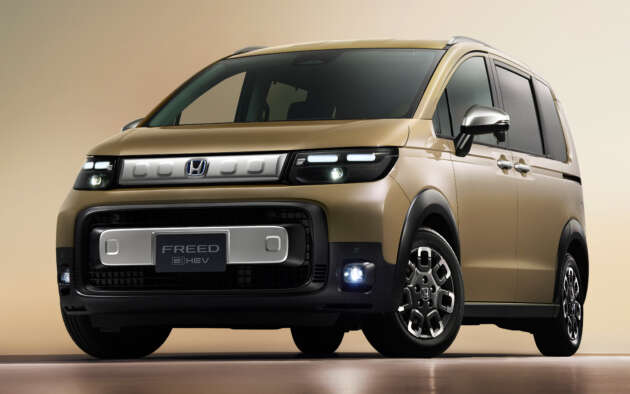
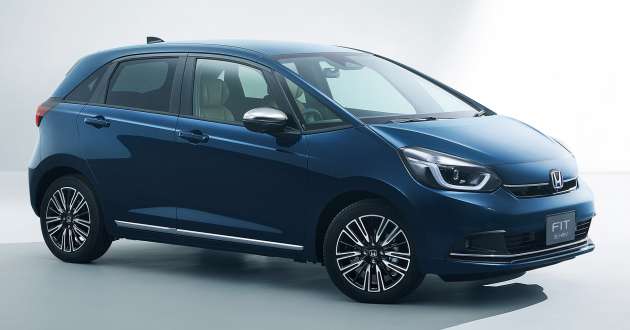
Lowering import taxes would enable Honda to bring in models such as the Jazz and Freed, providing consumers with greater choice. Locally assembling them isn’t an option, because the company’s Prachinburi plant is almost at its full capacity of 110,000 units a year, building the City sedan and hatchback, Civic, Accord, HR-V and CR-V for local consumption as well as exports to over 70 countries worldwide.
Iwanami said that reducing import tax on Japanese vehicles would not result in fewer local jobs or risk business with local suppliers. On the contrary, Honda is planning to increase its factory’s annual capacity to 150,000 units, allowing it to build eight models in the same plant.
The report does gloss over the fact that Honda had two plants in Thailand as recently as 2024, when it decided to shutter the Ayutthaya facility, turning it into a parts factory. This was due to a reported shortfall in production, dropping from a high of 228,000 units in 2019 to just 150,000, with yearly domestic sales being below 100,000 for four straight years.
 Honda City
from RM89,900
Honda City
from RM89,900  Honda WR-V
from RM94,900
Honda WR-V
from RM94,900  Honda Prelude
from RM278,000
Honda Prelude
from RM278,000  Honda HR-V
from RM115,900
Honda HR-V
from RM115,900  Honda e:N1
from RM149,900
Honda e:N1
from RM149,900  Honda Civic
from RM133,900
Honda Civic
from RM133,900  Honda City Hatchback
from RM85,900
Honda City Hatchback
from RM85,900  Honda CR-V
from RM178,200
Honda CR-V
from RM178,200  Honda Civic Type R
from RM399,900
Honda Civic Type R
from RM399,900 

MITI kata.. oh wait what?
Annual profuction dropped from from a high of 228,000 units in 2019
https://agnibrainly.netlify.app/2024/07/11/honda-to-close-thai-plant-as-chinese-competition-mounts-remaining-factory-to-be-retooled-for-hybrids/
we have MITI to protek rebadge Daihatsu and geely