

This week, the Malaysian minister of investment, trade and industry Johari Abdul Ghani met with his Japanese counterpart, parliamentary vice-minister of economy, trade and industry Takuo Komori, in an effort to strengthen longstanding economic relations between the two countries. While these talks aren’t usually of interest to automotive media, one of the topics mentioned did pique our curiosity.
In his Facebook post, Johari said that the duo broached the subject of a “Daihatsu-Perodua partnership in developing electric vehicles in Malaysia.” While we are of course not privy to the details of what they discussed, those in the know will tell you that there is no such partnership in existence – at least, not publicly, not yet.
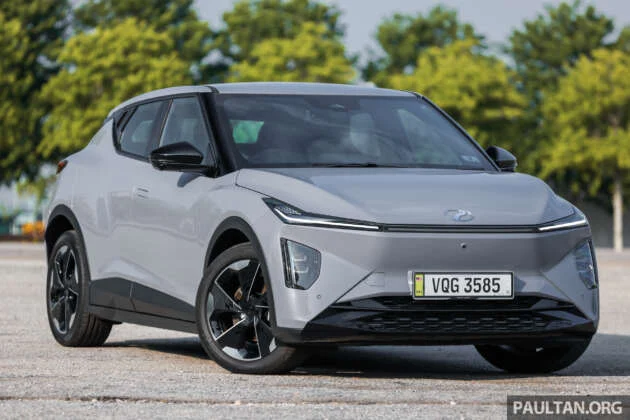
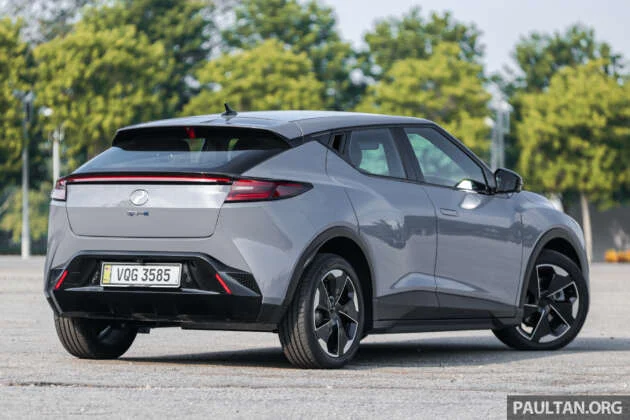
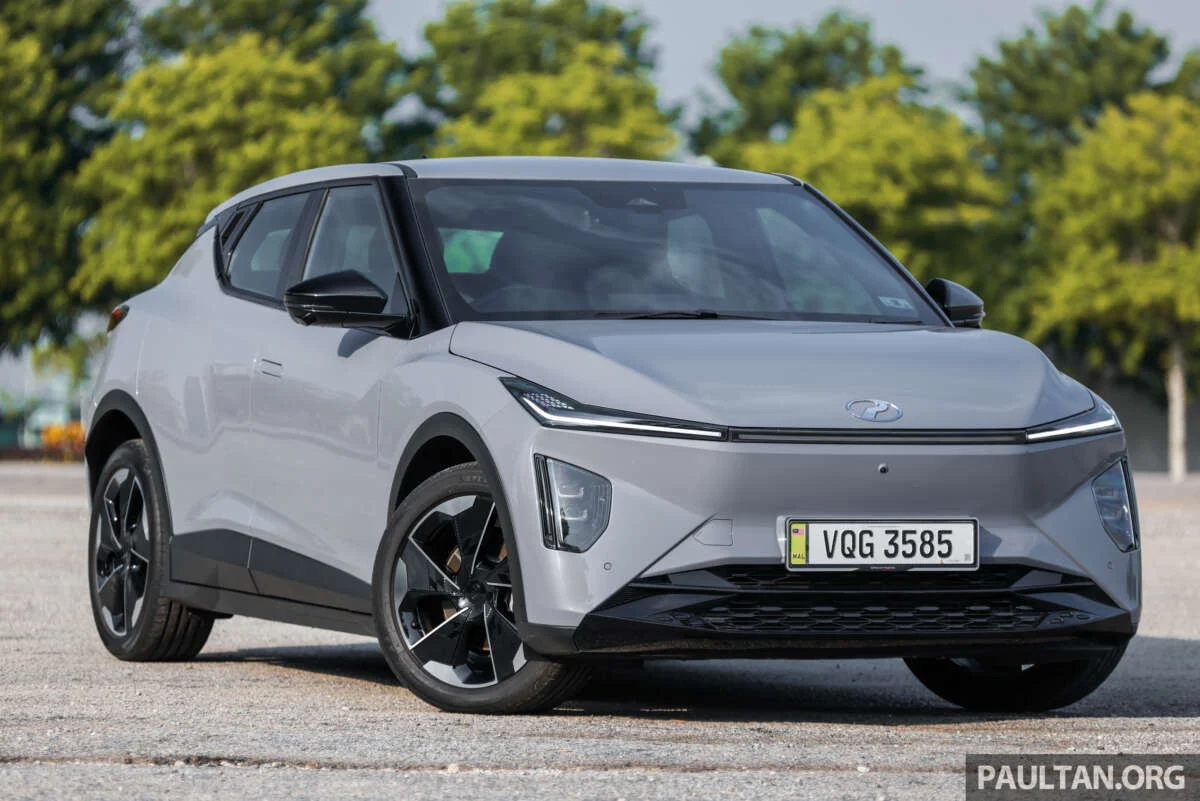
This is because while Daihatsu is a major Perodua shareholder and has supplied platforms, engines, gearboxes and even entire cars throughout the latter’s 33 years in existence, the national carmaker’s new EV, the QV-E, was designed wholly in-house and does not share a single part with any Daihatsu.
Perodua shouldered the responsibility of the entire project out of necessity, partly due to the looming government deadline to launch a locally-badged EV. Mostly, however, it was because Daihatsu did not have an EV for the company to base its car on. That’s still the case today – in fact, Daihatsu hardly even produces any hybrids, with the only offering being the Rocky e-Smart Hybrid (yes, the same one that became the lease-only Ativa Hybrid).
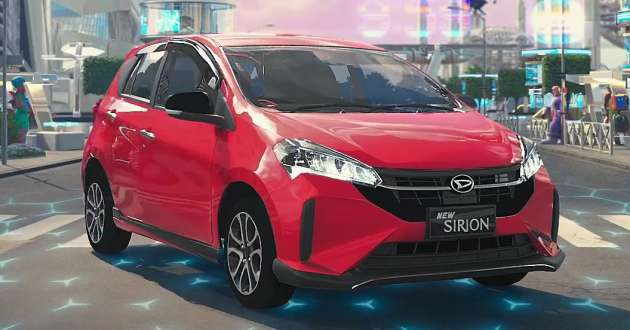
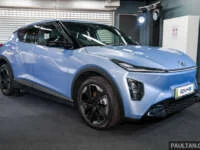
Which makes talk of a partnership all the more intriguing, and it could lead to one of two outcomes. The first is that Daihatsu simply rebadges the QV-E as its own car, which isn’t out of the ordinary – after all, the Sirion in Indonesia is effectively a Myvi with D badges, plus it’s built here to boot.
A Japanese brand using EV tech from Malaysia sounds far-fetched at face value, but it makes sense because the small car specialist’s lack of electrified models leaves it vulnerable to competition from Chinese EV makers. That’s less of a problem in its home market, where its offerings are on the smaller side, playing to its strengths; its customers’ more traditional buying habits also mean it can stave off full electrification for a while longer.
It’s more of an issue in Daihatsu’s largest overseas market in Indonesia, where the company risks losing market share to rivals like BYD. With the its high local content, the QV-E would benefit from reduced taxes as part of the ASEAN Free Trade Area (AFTA), even if it won’t be offered the same incentives as CKD locally-assembled EVs.
The other possibility is that Daihatsu could be a participant in Perodua’s future EV development, and indeed the said possibility was raised by Perodua president and CEO Zainal Abidin Ahmad earlier this year. “We’ve done the EV ourselves. But we’ve gotten enquiries from them to join us in our EV development,” he said then, adding that even Toyota has offered the company a chance to build its EVs.
Remember, Toyota’s own EVs were the result of joint ventures with other carmakers, such as Subaru (bZ4X and its derivatives, including even the Lexus RZ) and Suzuki (Urban Cruiser). Securing Toyota and Daihatsu as clients – the student becoming the master, you could say – would be a major coup for Perodua, both as a means to increase exports and as vindication of its efforts to build its own EV from scratch.
“If you ask me, the learning process is really expensive, and it’s hard for us to recover 100% of the investment, unlike how we do it with ICE cars. But I feel proud of our people that we can develop a car and that it has opened their [Daihatsu and Toyota] eyes, and they’re now talking about collaboration,” Zainal said.
We do know that Perodua is working on a smaller A-segment model built on the same Magna Styer-developed EV platform as the QV-E, which would help amortise development costs and enable it to take on the Proton eMas 5. A Daihatsu and Toyota EV built on this architecture could provide the two companies with affordable models of their own; plus, their input may help resolve our single biggest gripe with the QV-E – its cheap-feeling interior.
Over to you now – are you excited about the prospect of a Perodua wearing a Daihatsu (or even a Toyota) badge? Let us know in the comments.
GALLERY: Perodua QV-E



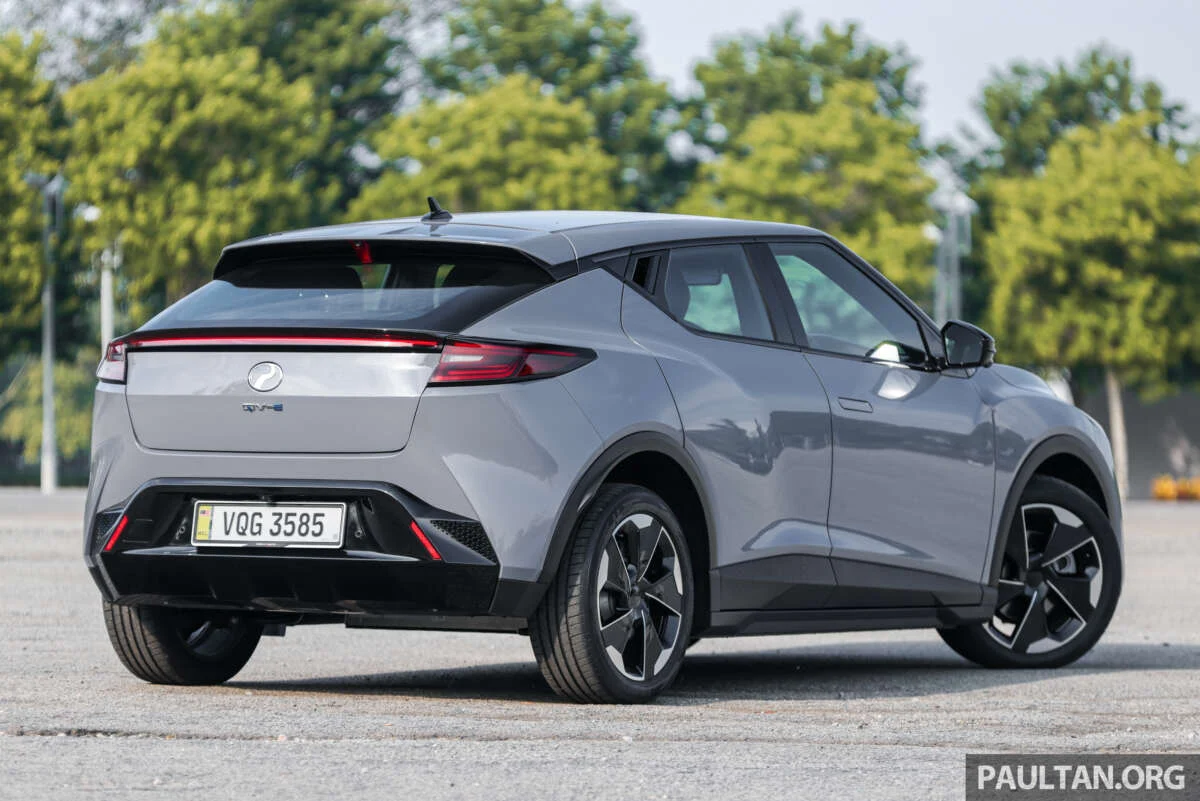


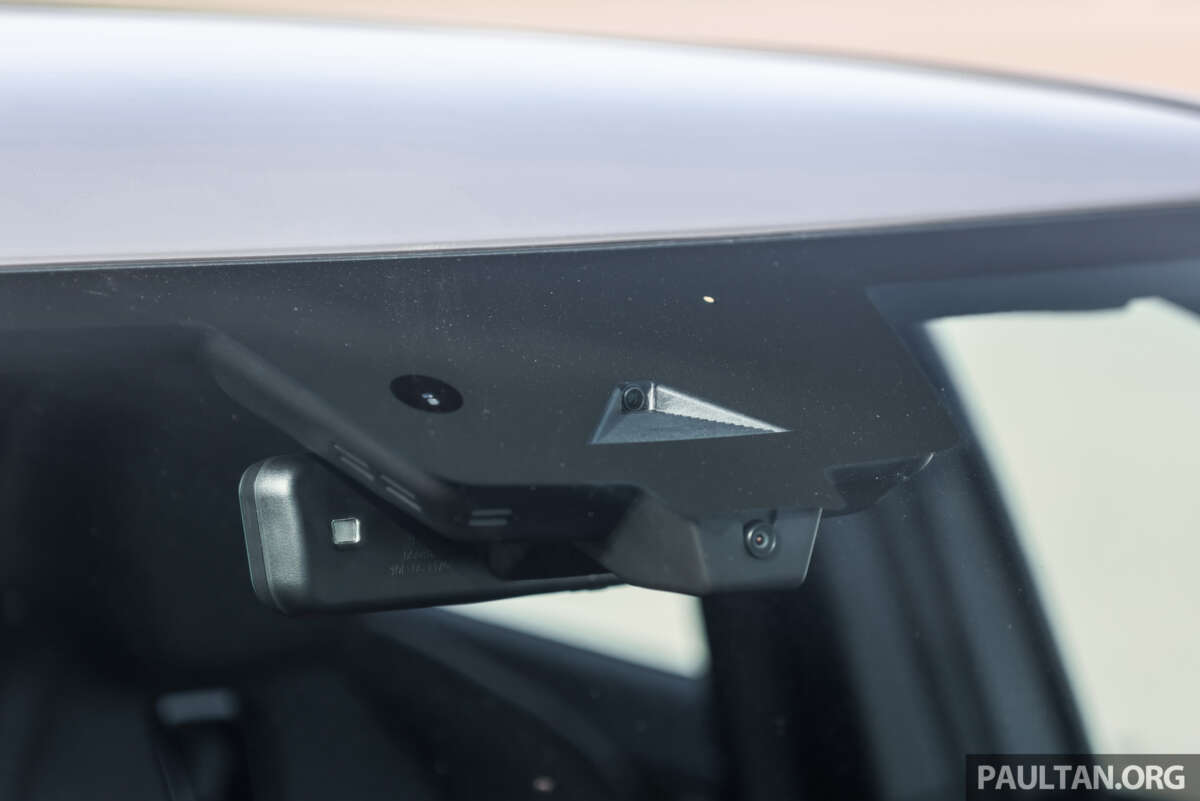


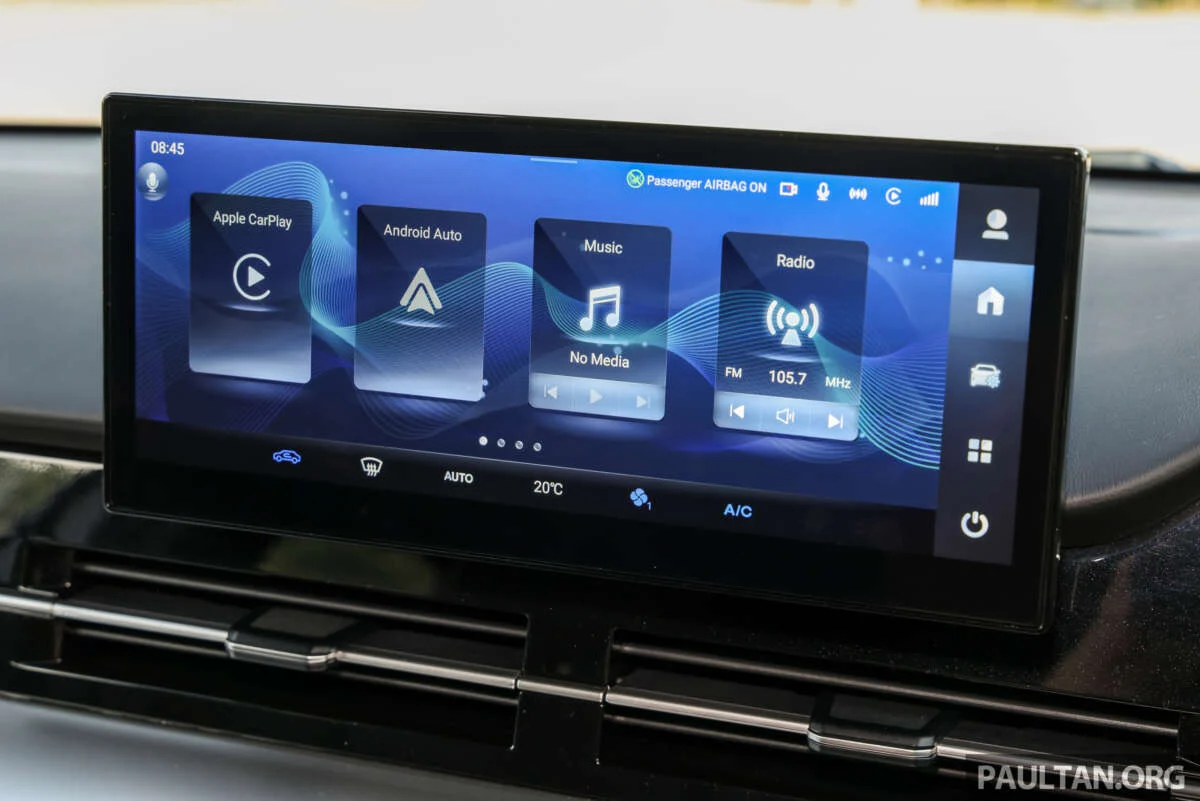


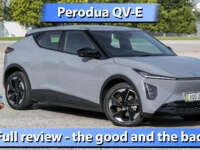
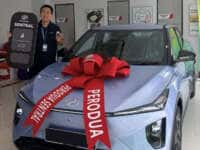
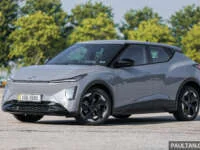
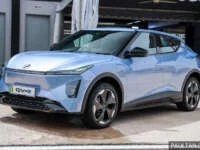


 Perodua QV-E
from RM69,999
Perodua QV-E
from RM69,999  Perodua Traz
from RM76,100
Perodua Traz
from RM76,100  Perodua Axia
from RM33,900
Perodua Axia
from RM33,900  Perodua Alza
from RM62,500
Perodua Alza
from RM62,500  Perodua Myvi
from RM46,500
Perodua Myvi
from RM46,500  Perodua Ativa
from RM62,500
Perodua Ativa
from RM62,500  Perodua Bezza
from RM34,580
Perodua Bezza
from RM34,580  Perodua Aruz
from RM72,900
Perodua Aruz
from RM72,900 

why would daihatsu rebadge a lousy failed useless EV with scam ah long subscription service???
Service is serviceable for third world markets
That scam ah long subscription service is also offered by other carmakers, were you there to criticise them? And do you realise that QV-E can be bought all in with the battery, right? I hate the subscription bullshit too but if you want to criticise something, use your brain.
Why still bark about BaaS when it already given the option to purchase battery outright. I agree it is kind of pricey, but at least Perodua kind of taking a different approach by developing their own product, rather then keep relying on Daihatsu and Toyota for a new product and I respect that
LOL Begger can’t be choosers. Taihazu lifeline heavily depends on BerukToa
getting downvoted by daihatsu peroscam supporters is crazy lolz
Still better than silly tagline ‘Smart guys get it’ Inspira shameless celup Lancer.
Would be a proud moment for Malaysia to finally have the Japanese parents recognize the effort and that the underling can finally give something back. Not sure how much of the supply chain still relies on China, but it does make the whole platform a lot more viable in the long term. This is hope for a Malaysian company doing something more adventurous than rebadging cars developed by others, especially in a newer field like BEVs.
Well, that is one way to break even the development cost.
If the handling is really good as the reviews claim, just sent over 1 or 2 cars to Akio Toyoda. Let the big boss decide.
Perodua should keep the platform ip here and let Toyota do the redesign of the car and start selling it in small batch to Japanese market.
Toyota and Daihatsu can market those as 2 seater, 3 doors crossover EV under Copen family.
I don’t think it is on par with Daihatsu, so the later is more tealistic.
Tell me what happened to the one man show dreamEDGE supposed to designed malaysias EV?
Still.dreaming until today
2026 already. No ppl care bout japanese car anymore
They will take it as a tribute to their years of sharing with Perodua.
Copy the car wont die.. just dont copy the subscription model.
Probably the next model. If it’s an Qve, Daihatsu probably needs to revamp its interior to maximise usable (albeit limited) space. They’re masters of packaging..Of course talking from my lower back hole here..
they better change that interior of qv-e, it looks and feels bad
Yes it will be a good news for perodua since QV-E is heading no where. Approaching a giant like Toyota daihatsu to rebadge+further dev of QV-E to meet their rebadge standard may sound win-win partnership. However we have no news of what’s daihatsu and Toyota had in development pipeline and timeframe hence can’t comment more from here. Rebadge another brand is not new in automotive industry and may be the way to go for saving new developments cost
QV-E further proved that the capability of local talent, R&D and supply chain are still not there yet to build a global product. The interior and build quality of QV-E felt like a product designed during the Proton Preve era. Bad fit & finish, touch points are bad, questionable ergonomic.
local talent got into uni using their kulification and agama, that’s y the end product is pigshit, they don’t deserve to be hired in the first place
giving them money to do business is like throwing money away into the sea. must shut down all of their loss-making companies which cost the taxpayer uncounted billions in bailouts , including – Felda, MalaysiaAirlines, SapuraKencana, TH, Boustead, FashionValet, 1MDB , Proton, and so many others.
Rakyat’s development money thru Perodua. Daihatsu/ Toyota Japan get to use it near Foc. Brilliant!
This should be the automotive development Malaysia should be looking out for where we could influence some decisions of the kingmakers in the automotive world.
Look at Proton, initially saying all RHD market will be sold as Proton, Geely renegade on this and now they are ashamed to put the Proton badge on all major markets. Thailand Indonesia , Australia, you name it, all has Geely rather than Proton. What’s the use of its existence then, no diff to the same rebadge strategy.