

We’ve waited a while for BYD’s much-vaunted Flash Charging tech to arrive in Malaysia, but the first move has been made with the Chinese conglomerate selecting Gentari as its local deployment partner. A memorandum of understanding (MoU) between the two companies was signed in Shenzhen today by BYD Malaysia MD Jacob Ma and Gentari CEO Sushil Purohit.
The collaboration will explore opportunities to deploy the ultra-fast DC chargers – which operate at up to 1,500 kW and can top up a compatible BYD or Denza from 10 to 70% in just five minutes and to 97% in nine minutes – as well as the battery energy storage systems (BESS) that will enable the technology to function without straining the grid.
Among the sites being examined for suitability are “key intercity corridors connecting major population centres” (read: highway R&Rs). This is in addition to the selected BYD and Denza dealers already covered in a previous announcement.

The partnership will also assess supporting power infrastructure, battery energy storage requirements, technical and commercial considerations, project development opportunities and potential operating models to enable future deployment at scale, Gentari stated. Renewable energy generation and energy storage will also be explored, drawing on the Petronas subsidiary’s clean energy expertise.
“Malaysia’s EV market is growing, but the next phase of adoption will depend on the quality, convenience and reliability of the charging experience,” Sushil said. “Speed is one part of that equation. BYD’s leadership in EV, battery and high-power charging technology, combined with Gentari’s experience in developing and operating EV charging networks, gives us a strong foundation to strengthen Malaysia’s EV charging ecosystem and support wider adoption.”
His comments were echoed by BYD vice president and Asia Pacific sales boss Liu Xueliang. “Malaysia is an important market for BYD, and we are pleased to bring BYD Flash Charging here as part of our continued efforts to support the country’s growing EV adoption. Through our collaboration with Gentari, we look forward to exploring how this technology can contribute to a faster, more convenient and more connected charging experience for Malaysian EV users.”


Ma added: “We are very excited to see this collaboration come together. We want to give our customers the confidence to make the switch to electric and enjoy a truly seamless EV ownership experience. This is an important step for BYD in Malaysia, and we are proud to be part of the journey to build a stronger and more complete EV ecosystem for Malaysians.”
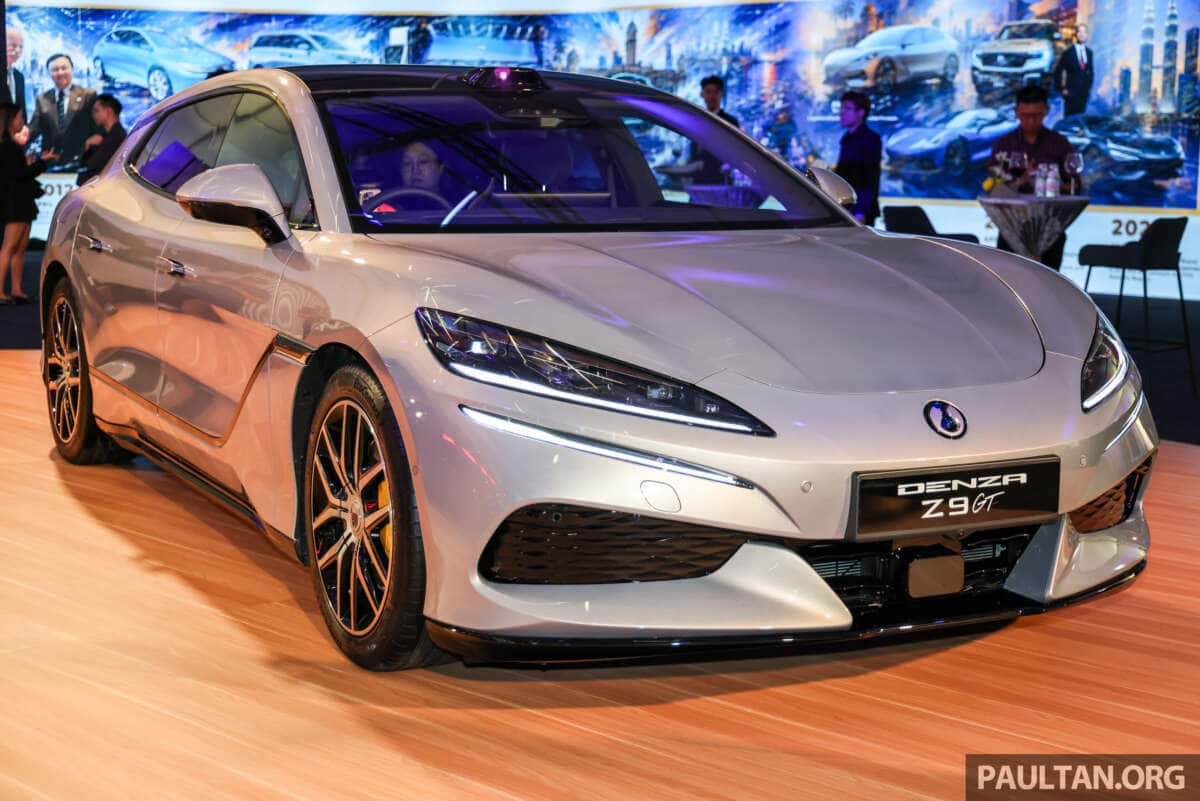
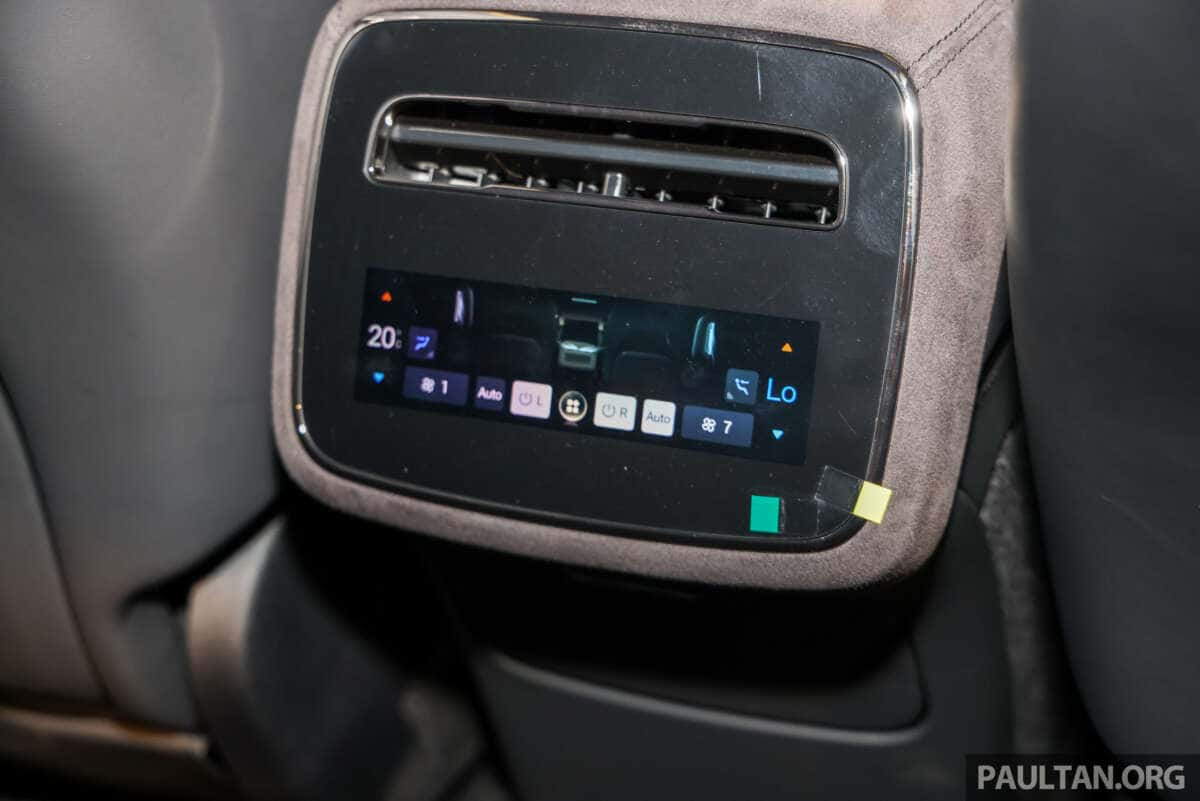
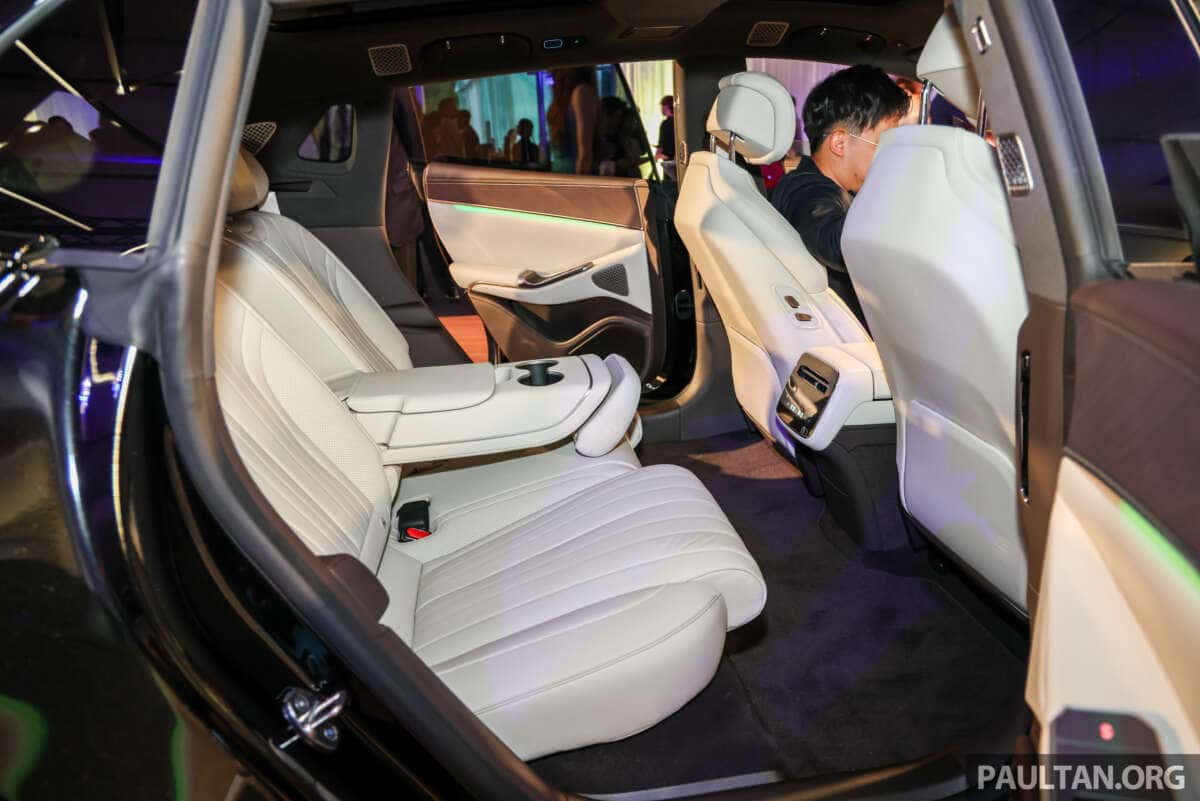
Currently, the only model that supports Flash Charging in Malaysia is the Denza Z9GT. Launched here in July, this low-slung electric wagon is priced at RM358,800 nett, and for that, you get a triple-motor setup that produces a whopping 1,156 PS and 1,210 Nm of torque, plus a 122.49 kWh Blade LFP battery for a WLTP-rated range of 600 km.
GALLERY: Denza Z9GT in Malaysia







 BYD Atto 3
from RM125,800
 BYD Seal 6
from RM100,000
 BYD Seal
from RM171,800
 BYD Atto 2
from RM100,000
 BYD Sealion 7
from RM163,800
 BYD M6
from RM109,800


telsa fanboys will be very jealous
No they wont, flash charging will be a niche for very costly EVs that majority don’t buy into, BYD will charge a pretty premium for the privilege too. You are deluded if you thought this will be cheap.
what costly EV ? the Z9 GT only costs 360k which is less than e-class/5-series.
and if you compare with the price of RON97 which is what many sportscars and recommended to use , this 1 megawatt charging will definitely be a lot cheaper.
Their updated rahmah car, the BYD Seagull supports flashcharging. 20% to 80% in 5min. Meanwhile tesla still stuck at 400V
just reinstate ron91 back with floating price. its far cheaper than electricity from coal. only in bolehland where they created problem, and be hero to solve it. yucks
I take electric scooter charging anywhere with small AC adapter removable battery.
Cheap and easy,
My old cars cannot take less than RON95. Very heavy knocking I don’t want suffering overhaul engine.
If Malaysia were to switch to RON 91, the retail price without a subsidy would likely be around RM3.70 to RM3.85 per litre, assuming current market conditions. 300L will then be more than RM 1000, not RM 599.
It’s meaningless to compared to current subsidy programme stabilizing our liabilities, economy and industry.
We should bring this in sooner to align with the latest global standards right away.
Other EVs can also benefit from these flash chargers, though actual speeds will depend on each car’s unique limit, which is typically 80kW to 250kW.
This is a massive upgrade considering current DC fast chargers in Malaysia usually max out between 47 kW and 180 kW.
Watch landman on Netflix & amazon prime