
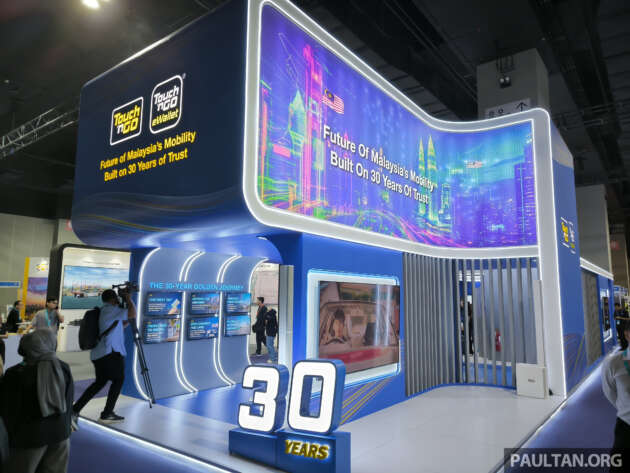
It’s been 30 years already? Yes, we’ve been having Touch n Go (TnG) cards in our cars and wallets for three decades now! Before that, toll and transport were all paid for in cash – we may be in the world of e-wallets today (where TnG is also the biggest player), but the cashless journey started back in 1997 with the first tap of the card.
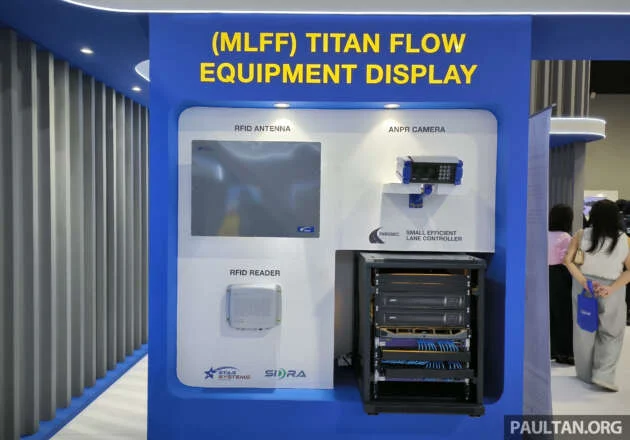
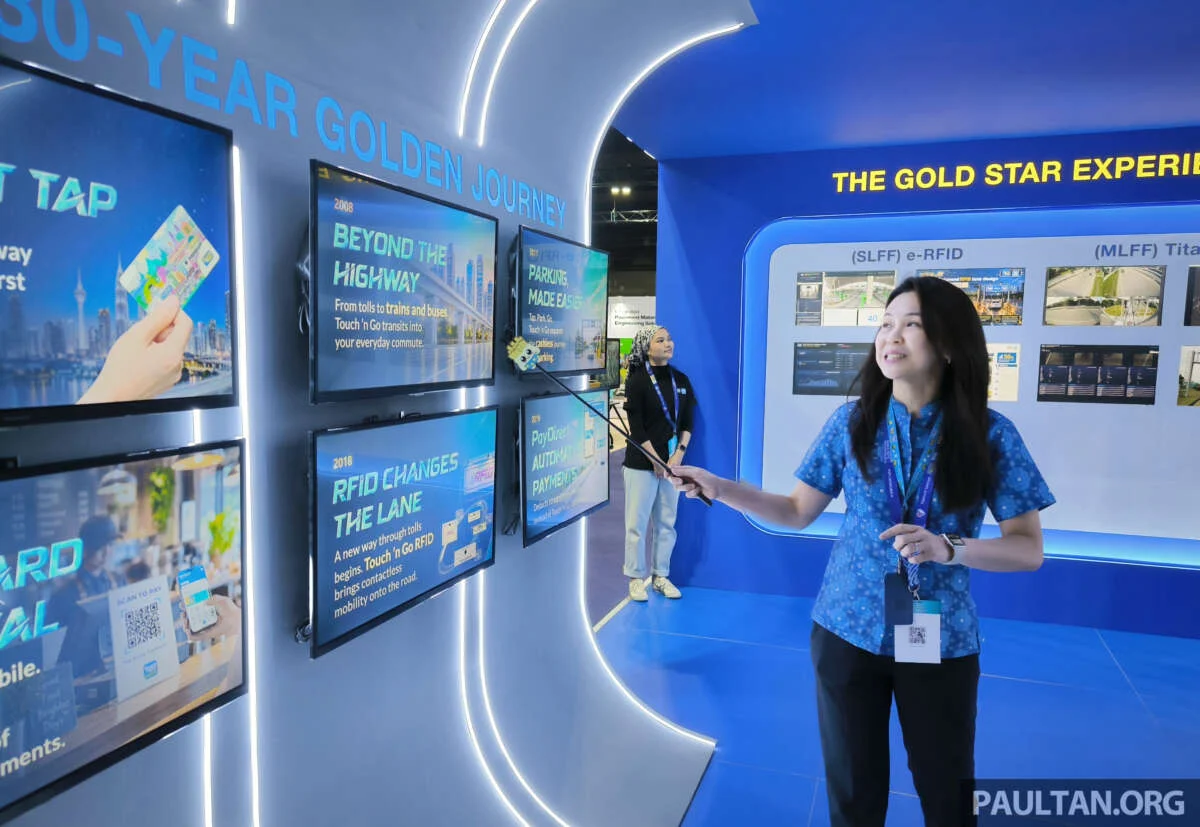
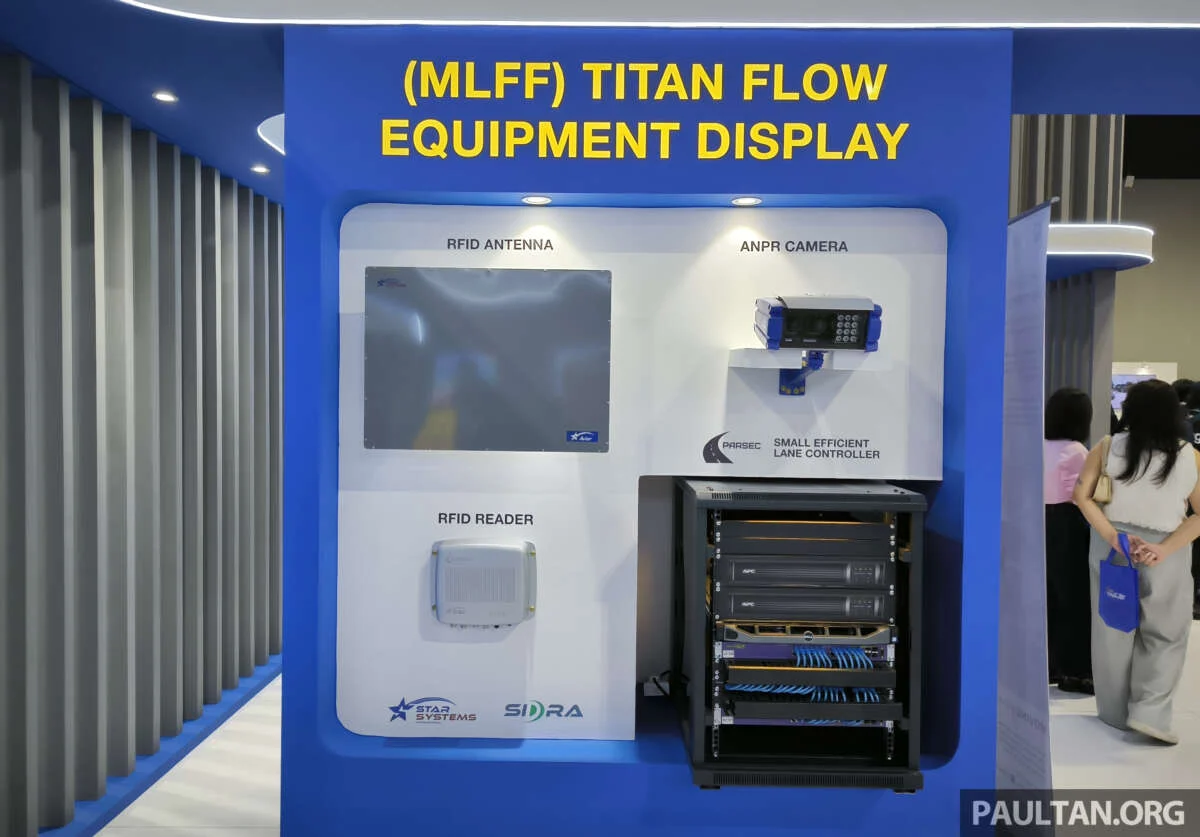
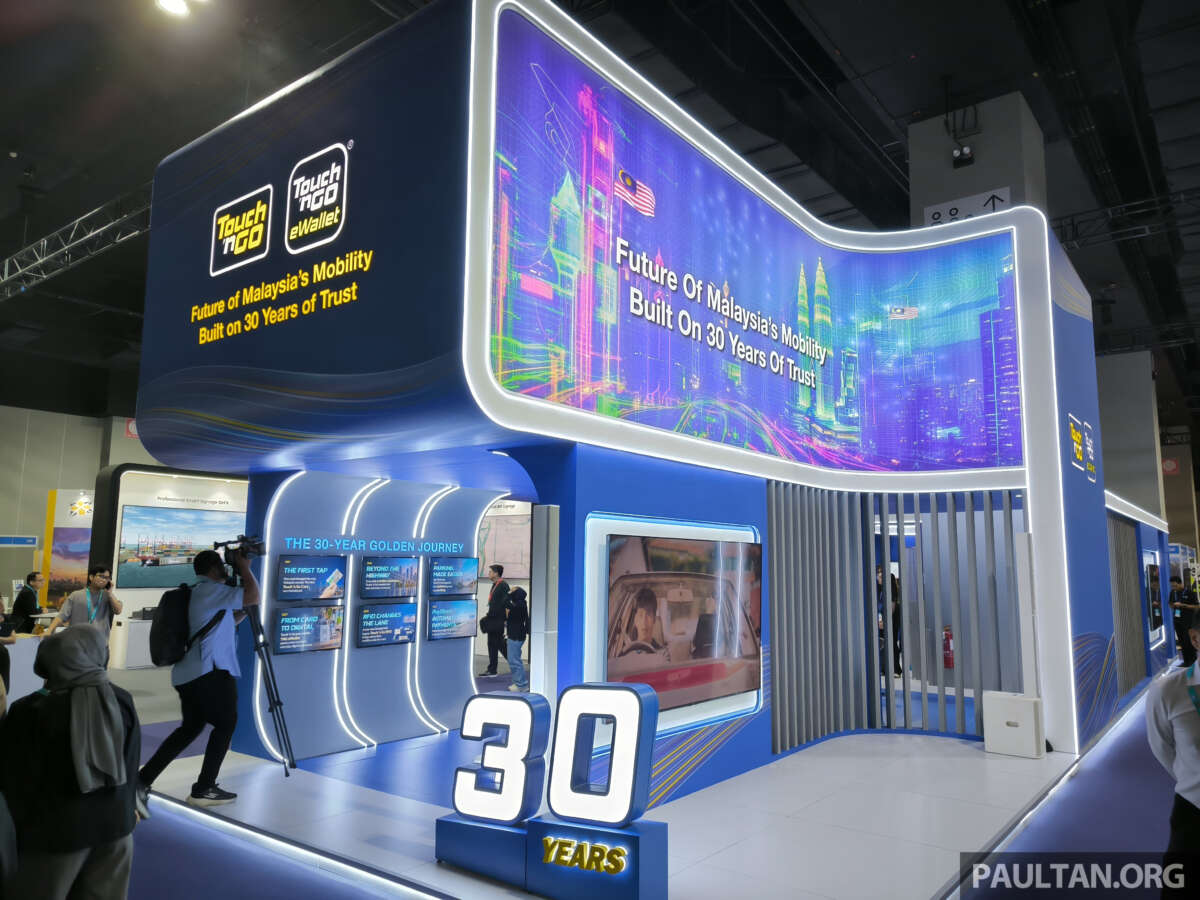
We were reminded of this at the MyASEAN Roads and Traffic Tech Expo (MyARTTE) 2026 trade show yesterday, where TnG’s COO Liza Woon walked us through its booth and announced the expansion of Enhanced RFID lanes, which is a step towards Single-Lane Fast Flow (SLFF) and eventually, Multi-Lane Fast Flow (MLFF). The latter is the end of the toll booth as we know it.
Like Malaysia, TnG has come a long way. Today, more than 40 million active cards and 4.8 million registered RFID tags support everyday journeys nationwide. It may have started as a toll collection system, but today, TnG is a ‘connected mobility ecosystem’ that processes around 2.5 billion transactions annually – that’s equivalent to 6.8 million transactions a day.


This transaction volume is comparable to the annual debit card transaction volume collectively processed by all banks in Malaysia, TnG says. Tolls aside, that familiar blue-yellow logo is also present at parking locations and over 15,000 physical reload points nationwide. TnG says that it also serves more than 5,900 corporate customers and over 3,300 government customers across Malaysia.
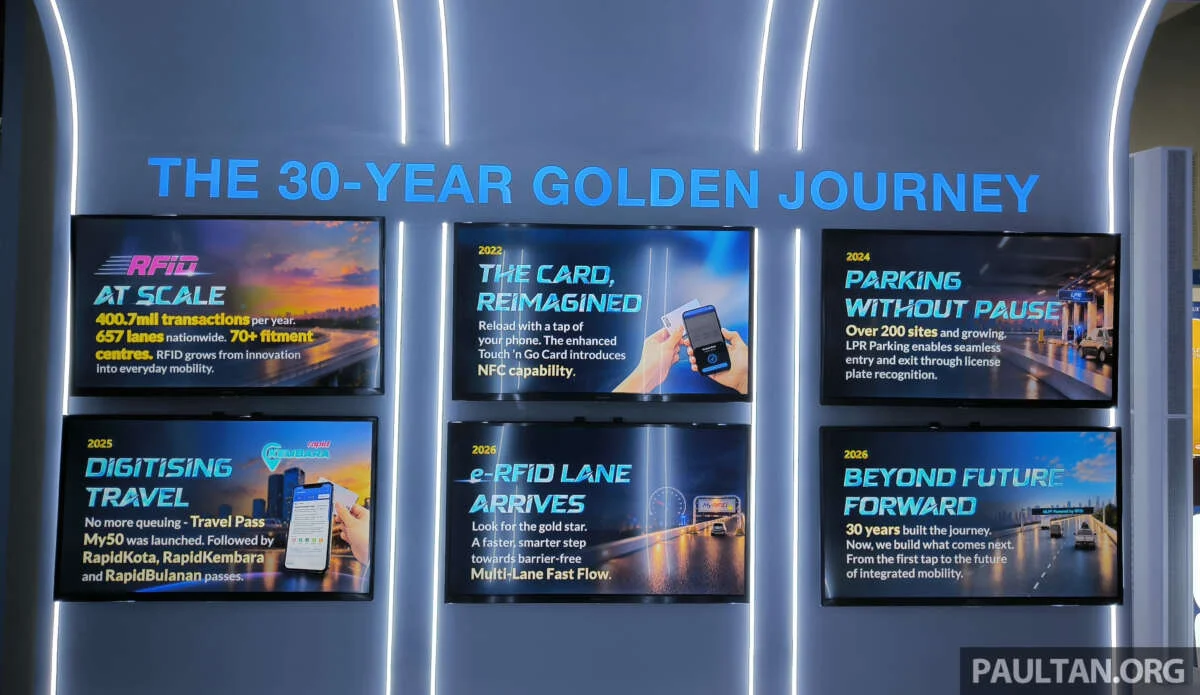
From just toll payment, Malaysia started using TnG cards for train and bus rides in 2008, and the first carparks came onboard in 2011. The TnG eWallet that’s in everyone’s phones today was launched in 2017, and RFID toll payment kicked off in 2018. PayDirect, which went online in 2019, deducts toll fares from one’s eWallet instead of card balance – making reloading of the physical card no longer strictly necessary.
Even the process of reloading our cards changed in 2022, when NFC cards were introduced. Do you remember how we used to reload cards? 2024 saw the introduction of LPR (license plate recognition) parking and we now have Enhanced RFID lanes, which you can read about here.
“What we are celebrating today is not merely a company milestone, but the trust Malaysians have placed in Touch n Go over the last 30 years. Every day, millions of people rely on us to get to work, return home, visit loved ones and keep businesses moving. That trust continues to inspire us to innovate and improve the mobility experience for all Malaysians,” said Prabakaran Sangarajoo, TnG’s CEO.
Many of TnG’s recent products and innovations have made our lives easier. TnG says that the Digital Transit Pass (DTP), which enables Klang Valley commuters to purchase and renew Rapid’s My50 passes digitally through the TnG eWallet, achieved 51.7% adoption compared to conventional over-the-counter channels within just 14 months of launch.
We’ve already mentioned PayDirect, but what about SOS Balance, which has enabled 42.6 million toll transactions to proceed despite ‘baki kurang’ incidents, which in the past would have caused a line of angry motorists at toll plazas.
What’s next for TnG? MLFF is the end point and everyone wants a big slice of the pie. Everyone, because TnG isn’t the only player in town – Malaysia’s biggest highway operator PLUS wants to control payments on its roads (and beyond) and has launched JustGo, which uses ANPR cameras as its detection tool, just like in your neighbourhood mall. In contrast, TnG is RFID-first, and on its latest Enhanced RFID lanes, the camera is there in a back up role.
At MyARTTE, PLUS subsidiary Teras showcased its proposal for MLFF. Based on a multi-angle camera hung on a gantry (it’s currently on trial after the Jalan Duta toll), it’s an advanced version of ANPR that can determine vehicle size as well.
So, this ‘battle’ for future MLFF supremacy won’t just see two giants go head-to-head (the government has said that it will not interfere), as we have competing main technologies as well – RFID vs ANPR. Watch the video above as Hafriz Shah walks through the differences between the systems favoured by TnG and PLUS.
Touch n Go has the advantage of incumbency in toll payment, though. The company’s RFID tags are widespread and its eWallet is near universal. TnG also has three decades of heritage, as its 30-year anniversary ad above emphasises.
It’s a typical heart-warming ‘through the generations’ type of ad that brands who have been around like to use (reminds me of Mazda USA’s ‘A Driver’s Life’, one of my favourite car ads), with additional emo points thanks to the use of Freedom’s Mulanya Disini as soundtrack. I’ll never tire of hearing that sama-sama – it’s the best song ever.
For the more serious, technical stuff about Enhanced RFID and how it fits into the MLFF picture, plus our experience using it, click here. Otherwise, join me in playing that ad again, even if it’s just for the song. Happy birthday, Touch n Go!
GALLERY: Touch n Go at MyARTTE 2026






celebrating 30 year of monopoly KEK
scamming malaysian money for 30 years , and remember that touch n go was under CIMB and cimb was under najib brother